
Blueprints of Interdependence
How Architecture, Law and Economy Privilege the Nuclear Family
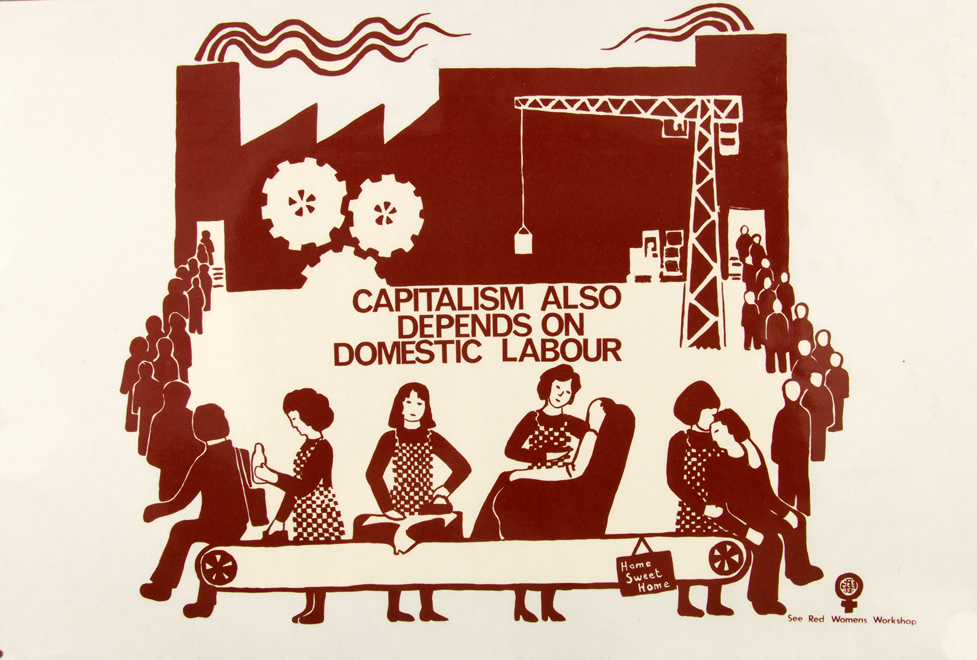
Why is the nuclear family still the default unit of care? The book project Blueprints of Interdependence investigates how architecture, law and the capitalist economic system have built the family into the structures we live in, and how feminists have repeatedly tried to design alternatives.
Combining archival research, critical theory and personal experience in autotheoretical essays, I examine three historical case studies in rethinking care and intimacy: Alice Constance Austin’s circular city of kitchenless houses for the utopian community Llano del Rio (1914–1918); Meadow Way Green (1909–1976), a cooperative housekeeping project in Letchworth Garden City run by two women; and the political work of Alexandra Kollontai, who campaigned in the early Soviet Union for the collectivization of care work, which she saw as inseparable from her theory of a “red love”.
Drawing on letters, diaries and memoirs of these women, I develop historical narratives that run parallel to an autofictional first-person account of care work today and ask the same question of both: What kinds of housing, urban planning, legal frameworks and economic redistribution could open up social reproduction beyond the family form?

